Godzilla’s Second Wind: Nissan Confirms Hybrid R36 GT-R for 2030 Launch
The "Skyline" legacy lives on. Nissan officially breaks silence on the next-generation GT-R, confirming a V6 hybrid powertrain and a mission to remain the king of the Nürburgring.
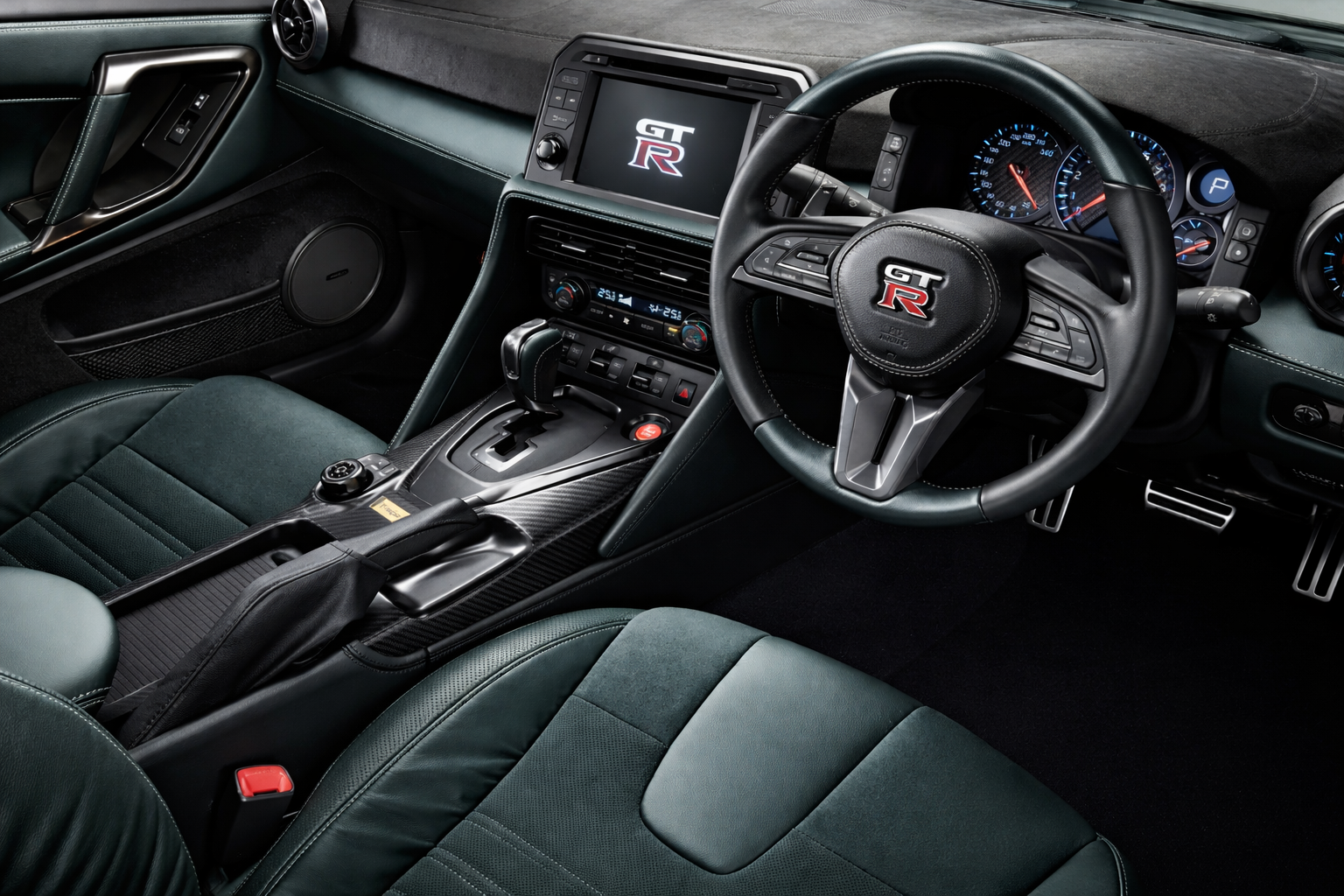
For nearly two decades, the Nissan GT-R R35 has been the benchmark for "giant-killing" performance. Since its debut in 2007, it earned the nickname "Godzilla" by humbling European exotics twice its price. But as the final R35 rolled off the assembly line in August 2025, a void was left in the automotive world. Rumors swirled: Would the next GT-R be a silent electric appliance? Would the badge be retired?
During the 2026 New York International Auto Show, Ponz Pandikuthira, Senior Vice President and Chief Planning Officer for Nissan North America, finally provided the answers the global enthusiast community has been waiting for. The R36 is coming, it will retain its soul, and it is aiming for 2030.
The Powertrain: Evolution, Not Extinction
The most significant revelation from Pandikuthira is the definitive move away from a purely electric (BEV) platform for the R36—at least for now. While Nissan’s "Hyper Force" concept showcased at the Japan Mobility Show hinted at a 1,000kW solid-state battery monster, the reality of 2030 requires a more nuanced approach.
"The GT-R is our brand’s totem, a symbol of our spirit," Pandikuthira stated. He confirmed that the R36 will undergo an "electrified transformation" rather than a full electric conversion.
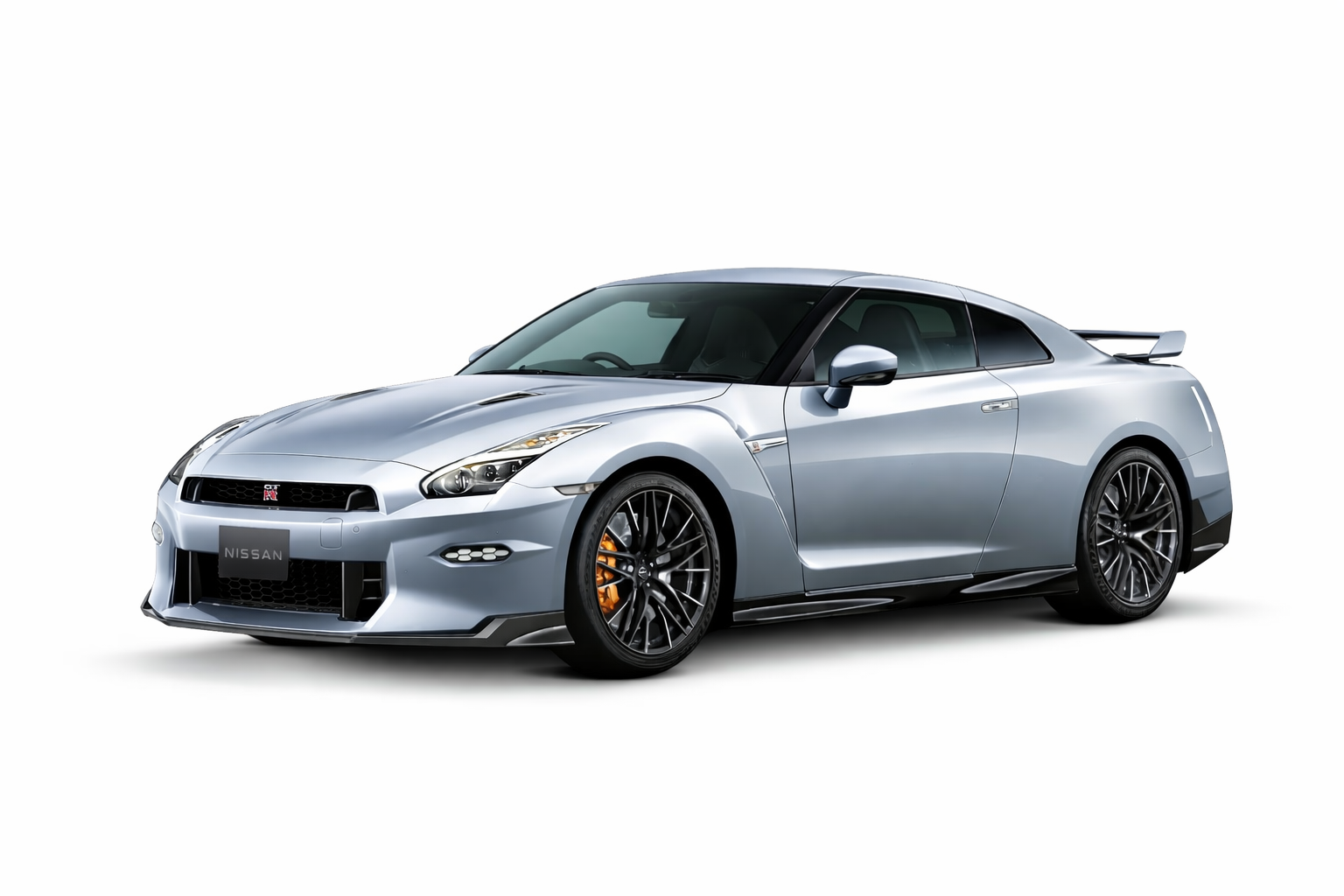
Key Technical Highlights:
The Heart: The R36 will utilize a heavily evolved version of the iconic VR38 3.8-liter twin-turbo V6. This isn't a simple carry-over. Engineers are redesigning the cylinder heads, pistons, and intake/exhaust systems to meet stringent Euro 7 and global emissions standards.
Hybrid Synergy: The internal combustion engine (ICE) will be paired with a high-performance hybrid system. While Nissan hasn't specified if it will be a "mild" or "plug-in" hybrid (PHEV), the goal is clear: instant low-end torque and seamless power delivery.
Drivability: The legendary ATTESA ET-S All-Wheel Drive system will return, likely enhanced with advanced torque vectoring to manage the combined output of the V6 and electric motors.
Why Not Go Full Electric? The "Nürburgring Standard"
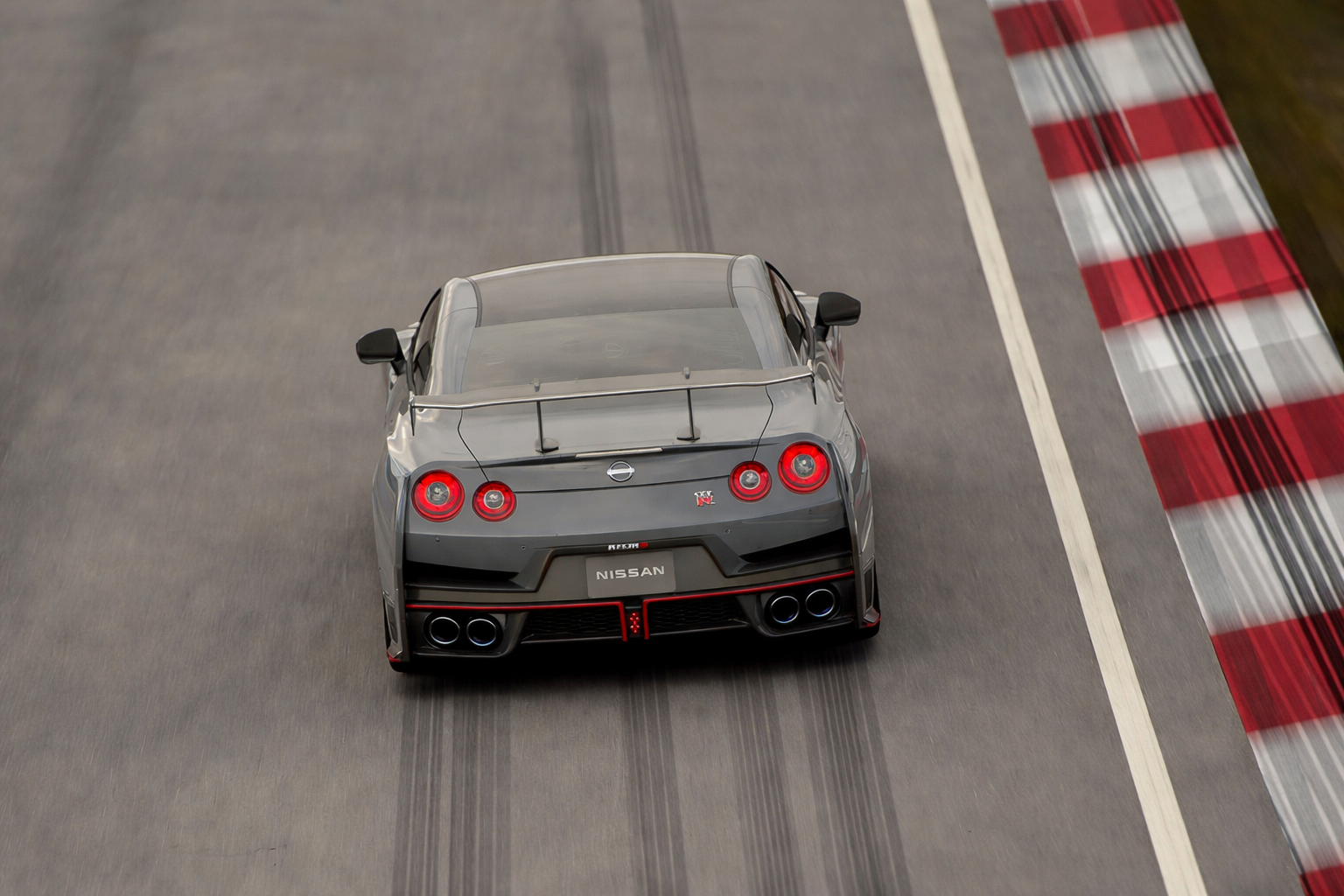
The decision to delay the launch and opt for a hybrid setup stems from a refusal to compromise on the GT-R’s core identity. To Nissan, a GT-R isn't just a 0-60 mph sprinter; it is a circuit weapon.
Pandikuthira emphasized that current EV technology faces "thermal bottlenecks" during sustained high-speed driving. For a car to carry the GT-R badge, it must be capable of running multiple "hot laps" at the Nürburgring Nordschleife without power degradation. Nissan’s engineers concluded that current battery weight and cooling limitations would sacrifice the R36's track endurance. By choosing a hybrid path, Nissan ensures the car remains competitive against the likes of the Porsche 911 Hybrid and Chevrolet Corvette E-Ray.
Design: Heritage Meets Future Tech
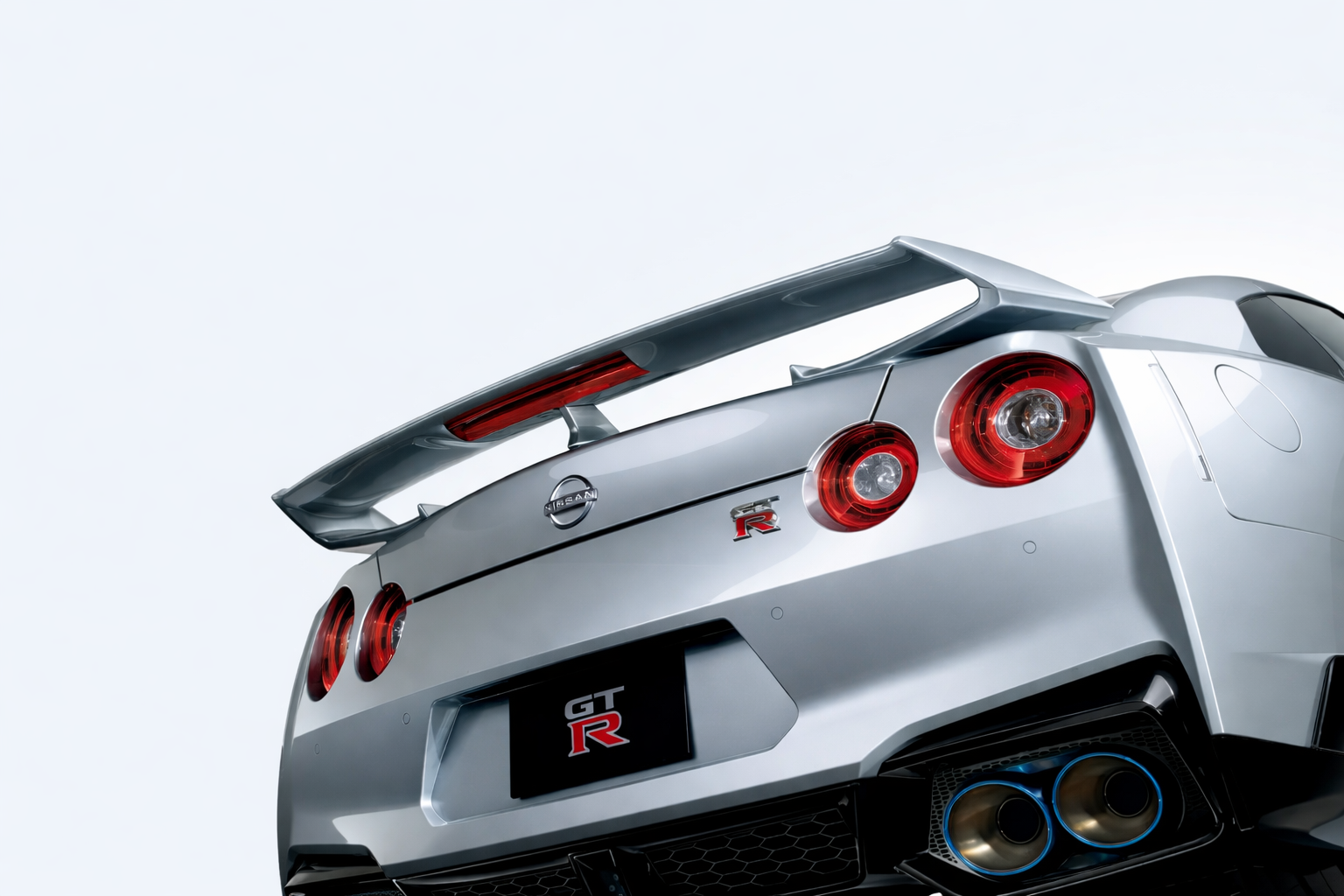
While official images of the production R36 remain under wraps, the design philosophy is moving toward "refined aggression." Expect the R36 to bridge the gap between the functional, brutalist lines of the R35 and the futuristic, polygonal aesthetics of the Hyper Force concept.
Aerodynamics will play a pivotal role. The "Biomimetic Shark-style" air ducts and active aero components (like the electronic pop-up rear spoiler seen in recent patents) will ensure that the R36 remains glued to the tarmac at speeds exceeding 200 mph.
Market Context: The New Era of Performance
Nissan is entering a landscape where the rules of the supercar game have changed. The transition to hybrid power isn't just about compliance; it's about performance enhancement.
The Competition: With the Ferrari 296 GTB and McLaren Artura proving that hybrid V6s can be emotional and blindingly fast, the R36 is positioning itself as the "attainable" alternative to the mid-engine elite.
The Community: For the tuning culture that surrounds the GT-R, the retention of the VR38 architecture is a massive win. It ensures that the aftermarket industry—the lifeblood of the GT-R's longevity—can continue to push the boundaries of the V6 platform.
Verdict: A Wait Worth Enduring
The R35 had an incredible 18-year run, a testament to its forward-thinking engineering in 2007. By setting a 2030 target for the R36, Nissan is signaling that they are playing the long game. They aren't rushing a "compliance car" to market; they are engineering the next legend.
As the automotive world moves toward an uncertain, silent future, the news that the "Godzilla" will still roar—albeit with an electric hum for support—is a breath of high-octane air for fans worldwide.